Manuals & Recalls · 5 min read · Updated Nov 2026
How to Check Vehicle Recalls Using Your VIN
Find your 17-character VIN, look it up on NHTSA's free recall tool, understand what an open recall means and why a warning message is not proof of a recall.
A safety recall is free to fix and can explain some warning messages. Checking takes about a minute with your VIN.
What Is a Recall?
A safety recall is issued when a manufacturer or the National Highway Traffic Safety Administration (NHTSA) decides a vehicle or equipment has a safety-related defect or does not meet a federal safety standard. Under U.S. law the manufacturer must notify owners and fix the problem free of charge, by repair, replacement or, in rare cases, repurchase.
How to Find Your VIN
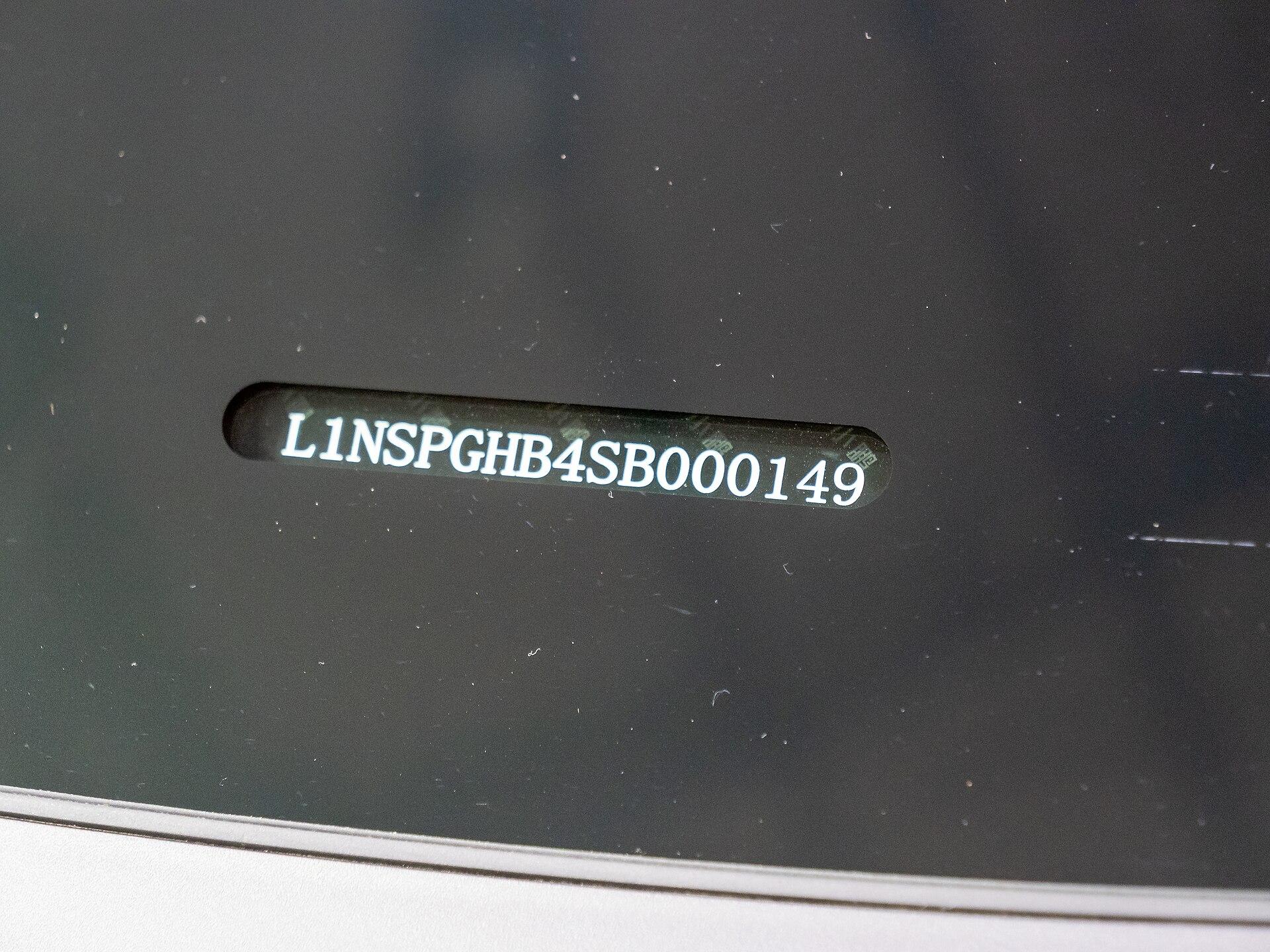
- Lower corner of the windshield on the driver's side (look from outside).
- Label on the driver's door jamb.
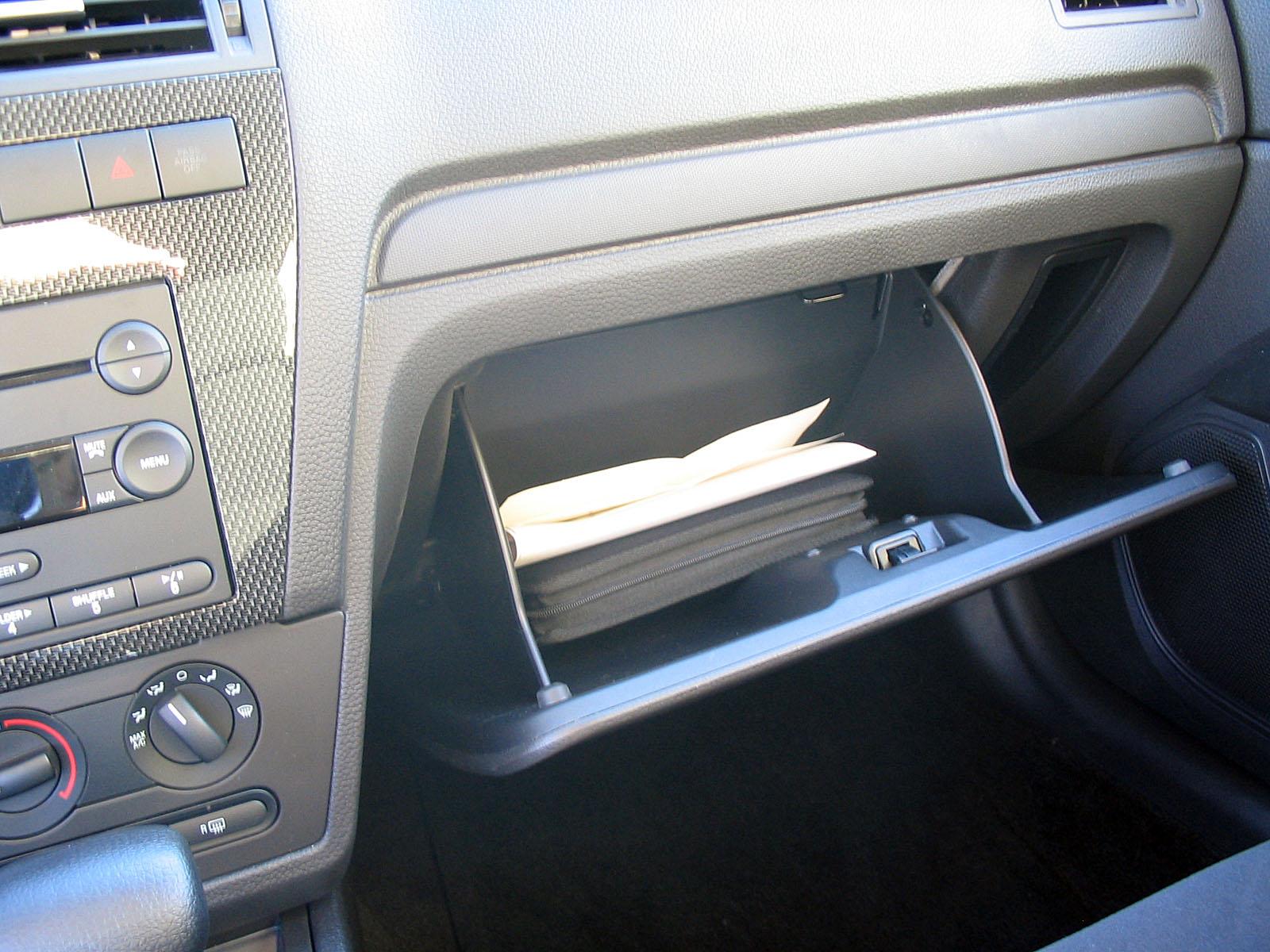
- Registration, title and insurance documents.
- The manufacturer's app, if your car is connected.
VINs have 17 characters and never contain the letters I, O or Q, which avoids confusion with 1 and 0.
Checking NHTSA Recall Records
- Go to nhtsa.gov/recalls.
- Enter your 17-character VIN and search.
- The result lists any open (unrepaired) safety recalls for that exact vehicle, or says none are open.
- You can also search by year, make and model to see all recalls for the model, plus complaints and investigations.
- Sign up for NHTSA recall alerts or download the free SaferCar app to be notified of future recalls.
Interpreting Open Recalls
- Recall open, remedy available: contact a dealer to book the free repair.
- Remedy not yet available: parts or a fix are still being developed. Follow any interim safety advice in the notice.
- “Park outside” or “do not drive” notices: follow them. These are used when the risk is severe, such as fire risk.
- Each recall has an NHTSA campaign number (e.g. 24V-123) and usually a manufacturer number. Quote both when you call a dealer.
Next Steps for Owners
- Call or book online with an authorized dealer for your brand. Recall work is free at any franchised dealer.
- Ask how long the repair takes and whether a loaner is available.
- If you already paid for a repair that a recall later covered, ask the manufacturer about reimbursement.
- Report a possible safety defect that is not covered at nhtsa.gov/report-a-safety-problem.
Why a Warning Is Not Proof of a Recall
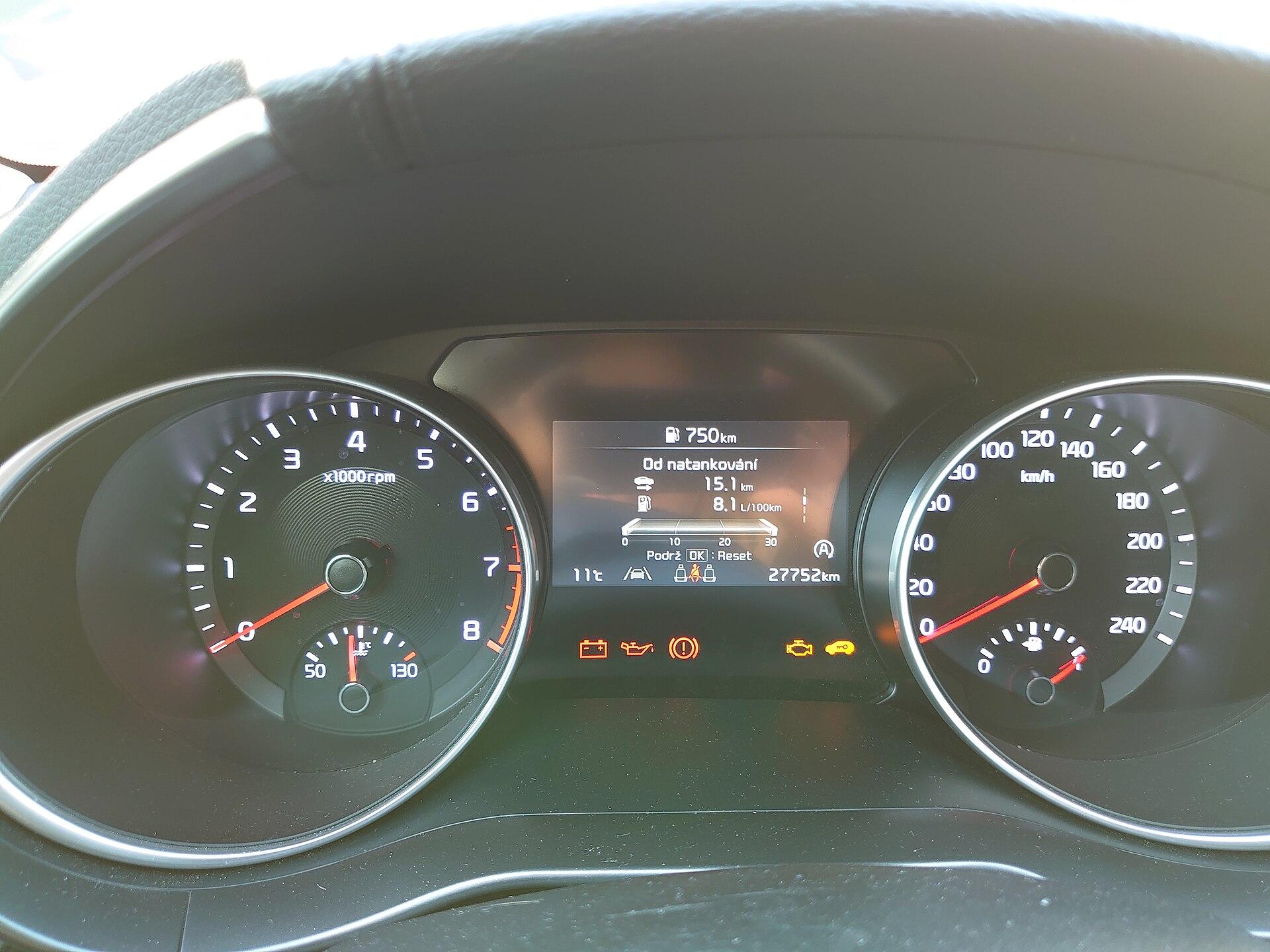
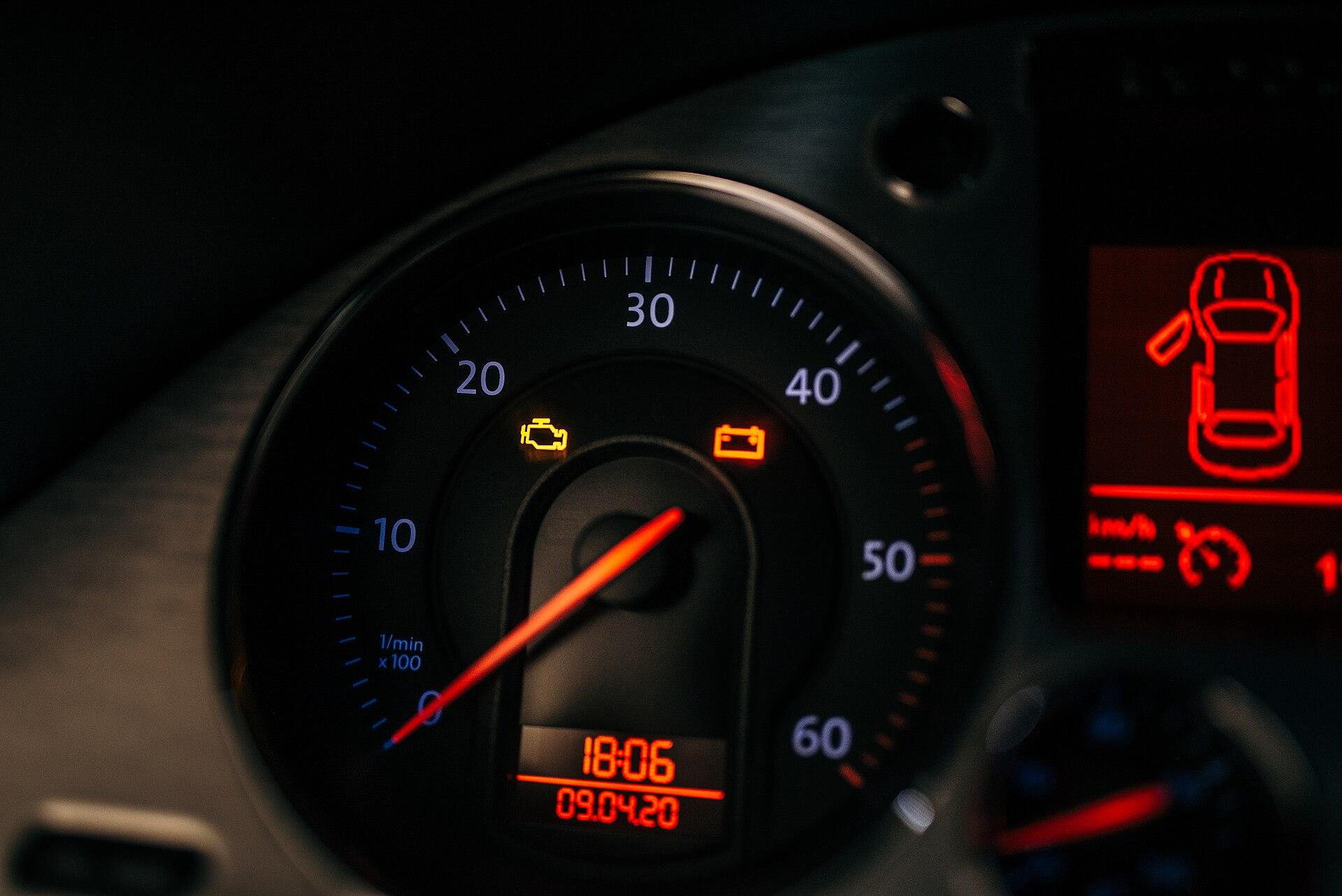
Most warning messages come from ordinary wear, weather, a weak battery or a single failed part, not a recall defect. Equally, an open recall may never cause a warning before it fails. Check both: look up the message for the likely cause, and check the VIN for open recalls. Manufacturers also issue technical service bulletins (TSBs) and customer satisfaction programs, which are not recalls but may cover a known issue, sometimes with extended warranty. NHTSA's site lists many manufacturer communications by model.
Frequently asked questions
Is checking for recalls free?
Yes. NHTSA's VIN lookup is free, and safety recall repairs are free at authorized dealers.
Does a recall expire?
Safety recall remedies generally do not expire for the vehicle, although manufacturers may limit reimbursement windows for repairs you paid for earlier. Check the recall notice.
Can a used car have open recalls?
Yes. Recalls follow the vehicle, not the owner. Always check the VIN when buying a used car, and the fix is still free.
What is the difference between a recall and a TSB?
A recall addresses a safety defect or non-compliance and must be fixed free. A technical service bulletin gives dealers repair guidance for a known issue and is not automatically free unless the car is under warranty or an extended program applies.