Safety & Urgency · 6 min read · Updated Nov 2026
When Should You Stop Driving Because of a Warning Light?
The warnings that can mean immediate danger or engine damage, how to bring the car to a safe stop, what not to reset or ignore, and when to call roadside assistance.
Most warning lights give you time to reach a repair shop. A few do not. Continuing to drive with them can leave you without brakes, destroy the engine within minutes, or leave you stranded somewhere unsafe.
Warnings That Can Indicate Immediate Danger
| Warning | Risk if you keep driving | Action |
|---|---|---|
| Red oil pressure (oil can) | Engine bearings can fail within minutes | Stop and switch off the engine as soon as it is safe |
| High coolant temperature / overheating | Warped head, blown head gasket | Pull over, switch off, let it cool; do not open the hot radiator cap |
| Red BRAKE light (parking brake released) | Low brake fluid or hydraulic failure | Stop carefully; do not continue until checked |
| Braking Power Low | Reduced brake assist | Stop safely; expect a harder pedal |
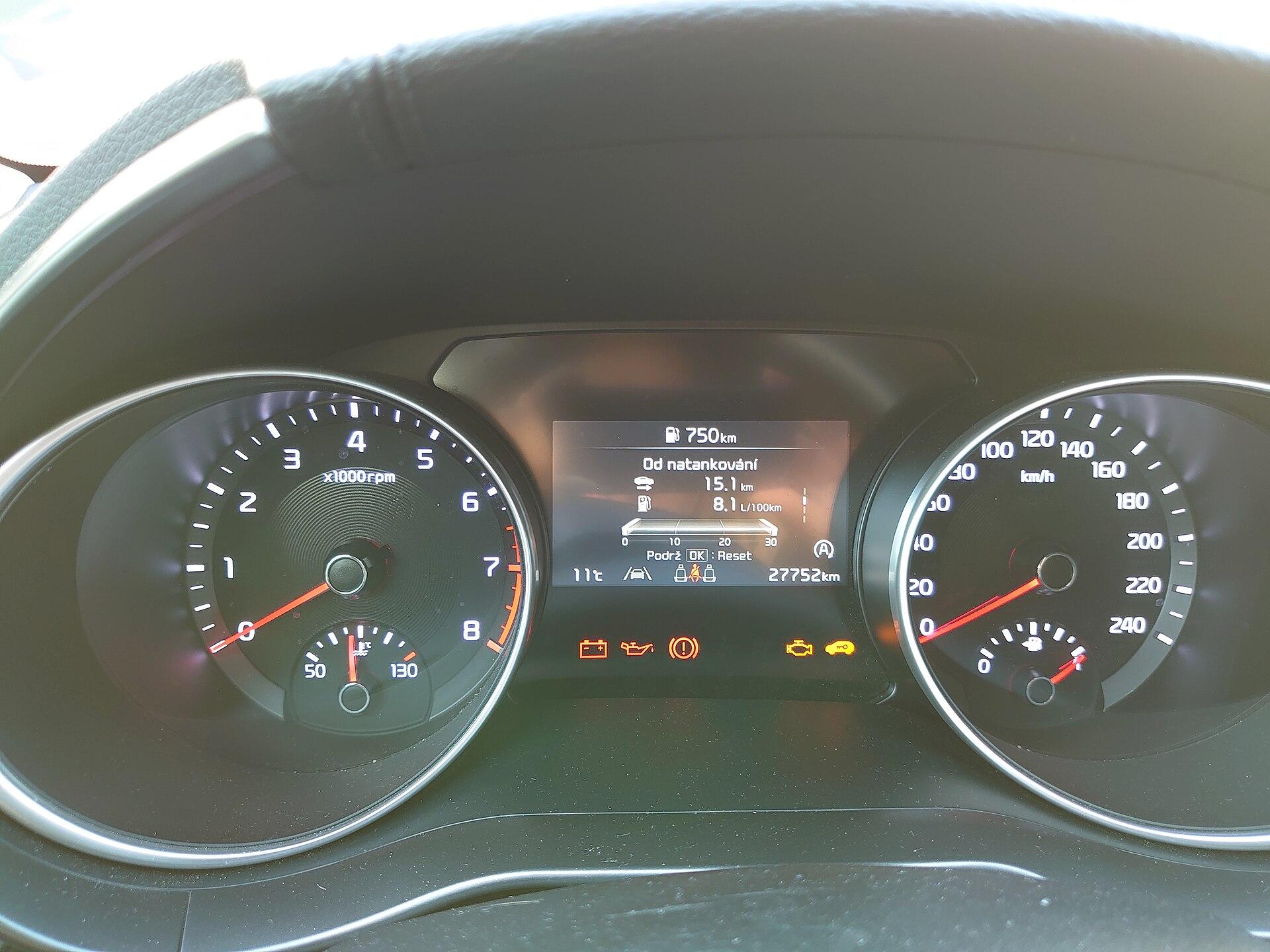
| Flashing check engine light | Catalytic converter damage, possible fire risk | Reduce speed and load; get it checked immediately |
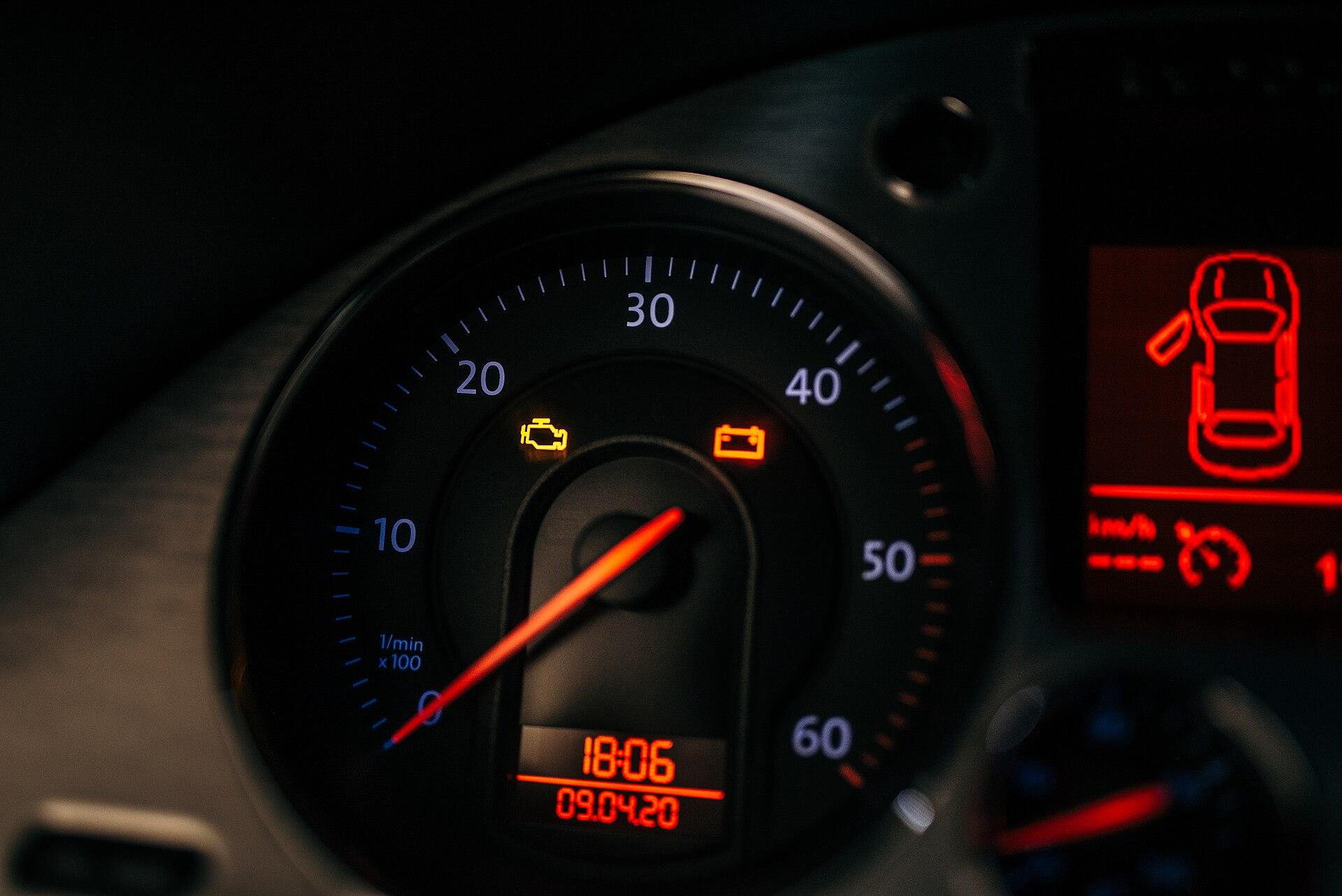
| Charging system / battery light | Car runs on battery and may shut down, losing power steering | Turn off accessories, head straight to safety or service |
| Power steering warning with heavy steering | Sudden loss of steering assist | Slow down, stop safely |
| EV / hybrid system warning with “Stop safely” | Loss of drive power | Follow on-screen instructions and stop |
How to Bring the Vehicle to a Safe Stop
- Stay calm, check mirrors, signal and turn on hazard lights.
- Move to the shoulder, an exit or a parking lot. On a highway, get as far from traffic as possible.
- Brake gradually. If brake feel has changed, press harder and earlier and use a lower gear.
- Shift to Park (or neutral with the parking brake), and switch off the engine if the warning calls for it.
- If it is unsafe to stay in the car on a busy road, exit away from traffic and stand behind a barrier.
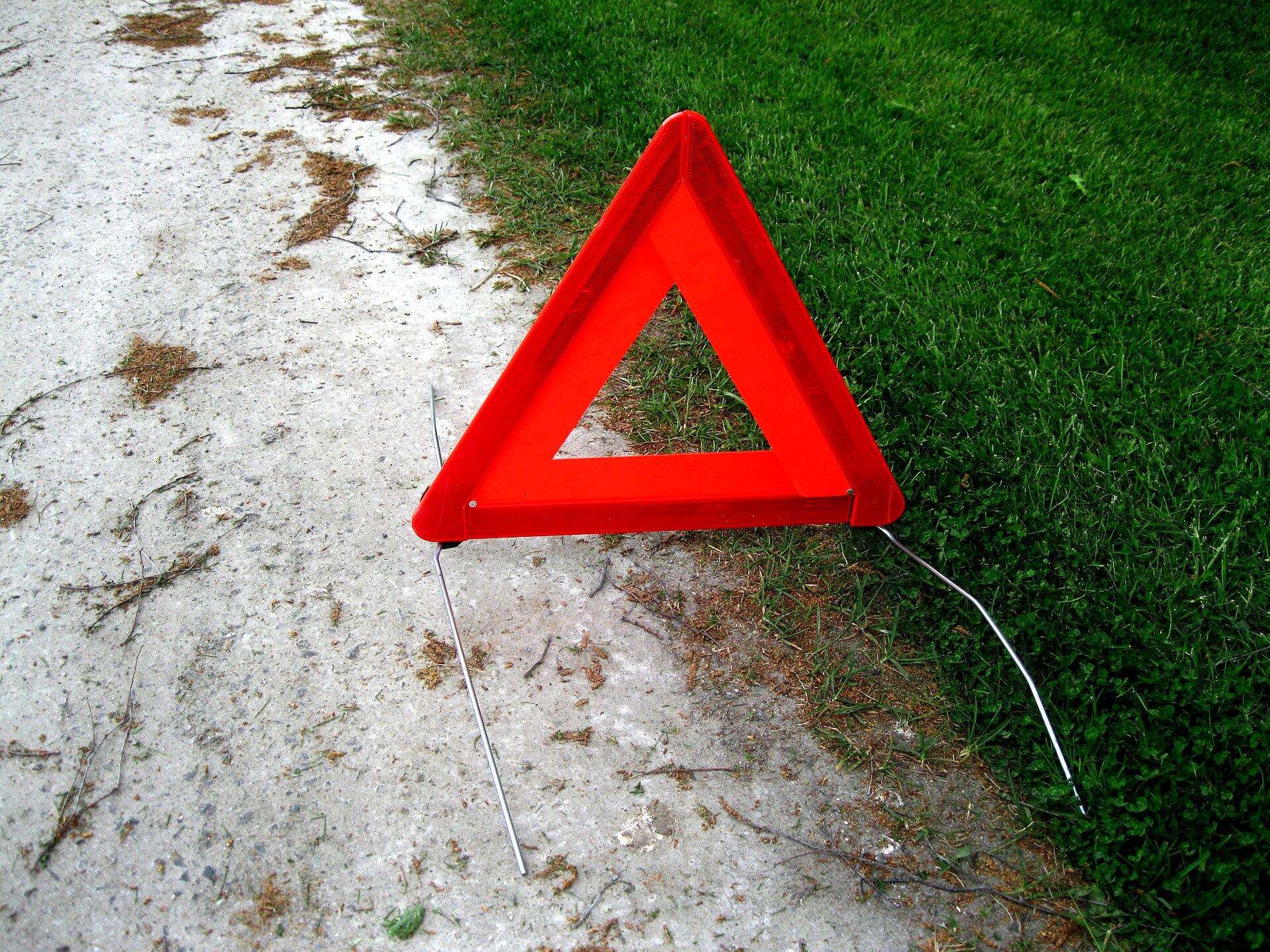
- Place a warning triangle if you have one and it is safe to do so.
What Not to Reset or Ignore
- Do not clear codes or disconnect the battery to make a warning go away. The fault remains, and diagnostic data is lost.
- Do not keep driving with a red oil, temperature or brake warning “just to get home”.
- Do not add the wrong fluid. Brake fluid, coolant and oil types are specified in the manual.
- Do not open a hot radiator or coolant reservoir cap.
- Do not ignore an airbag warning: the car drives normally but airbags may not deploy in a crash.
Calling Roadside Assistance
Most new cars include roadside assistance for the warranty period (often 3 years or 36,000 miles or more). The number is usually in the owner's manual, on the warranty booklet, on a sticker in the window or in the brand's app. Insurance policies and auto clubs often include it too. Tell the dispatcher the exact warning message, your location and whether you are in a safe place. If you are in danger, call 911.
Brand pages list official roadside contacts: Toyota, Ford, Honda, Nissan.
Follow the Exact Vehicle Manual
The general advice above is a starting point. Your owner's manual describes what each light and message means for your car and may give specific instructions (for example, how far you can drive on a limited AWD system, or what to do with a hybrid warning). When in doubt, choose the safer option.
Warning messages in this guide
Service AdvanceTrac
Ford's AdvanceTrac stability and traction control has detected a condition that needs service, and the system may be switched off. Normal brakes and steering still work, but you lose skid protection, so drive gently, especially on wet or icy roads, and have a dealer check it as soon as possible.
Charging System Service Now
Ford's charging system, mainly the alternator, belt, battery and wiring, needs service. If the alternator isn't charging, the car is running on battery power and can stall within minutes to an hour. Turn off accessories and drive straight to a repair shop, or stop somewhere safe if the battery light is also on.
Braking Power Low
Power brake assist is reduced, so the pedal will need much more force and stopping distances can grow. Toyota's message tells you to stop in a safe place. Press the brake firmly and early, pull over, and have the car inspected or towed rather than driving on.
Check AWD
The all-wheel-drive system isn't working properly and has usually defaulted to front-wheel drive. You can drive with care, but you lose AWD traction. Avoid towing, snow and off-road driving, and see a dealer if the message stays on or keeps coming back.
Frequently asked questions
Which warning lights mean stop driving immediately?
Red oil pressure, engine overheating, the red brake warning (with the parking brake off) and any message telling you to stop safely. A flashing check engine light also calls for slowing down and getting help promptly.
Can I drive home with the battery light on?
Only a short distance. The engine runs on stored battery power and may shut down without warning. Turn off accessories and go directly to a safe place or repair shop.
How far can I drive with the check engine light on?
If it is steady and the car drives normally, you can usually drive to a shop soon. If it is flashing, reduce speed and have it checked immediately to avoid catalytic converter damage.