Safety & Urgency · 5 min read · Updated Nov 2026
Red vs Yellow Dashboard Warning Lights
What red, amber/yellow, green and blue indicators generally mean under international standards, why color alone is not enough, and what to do next.
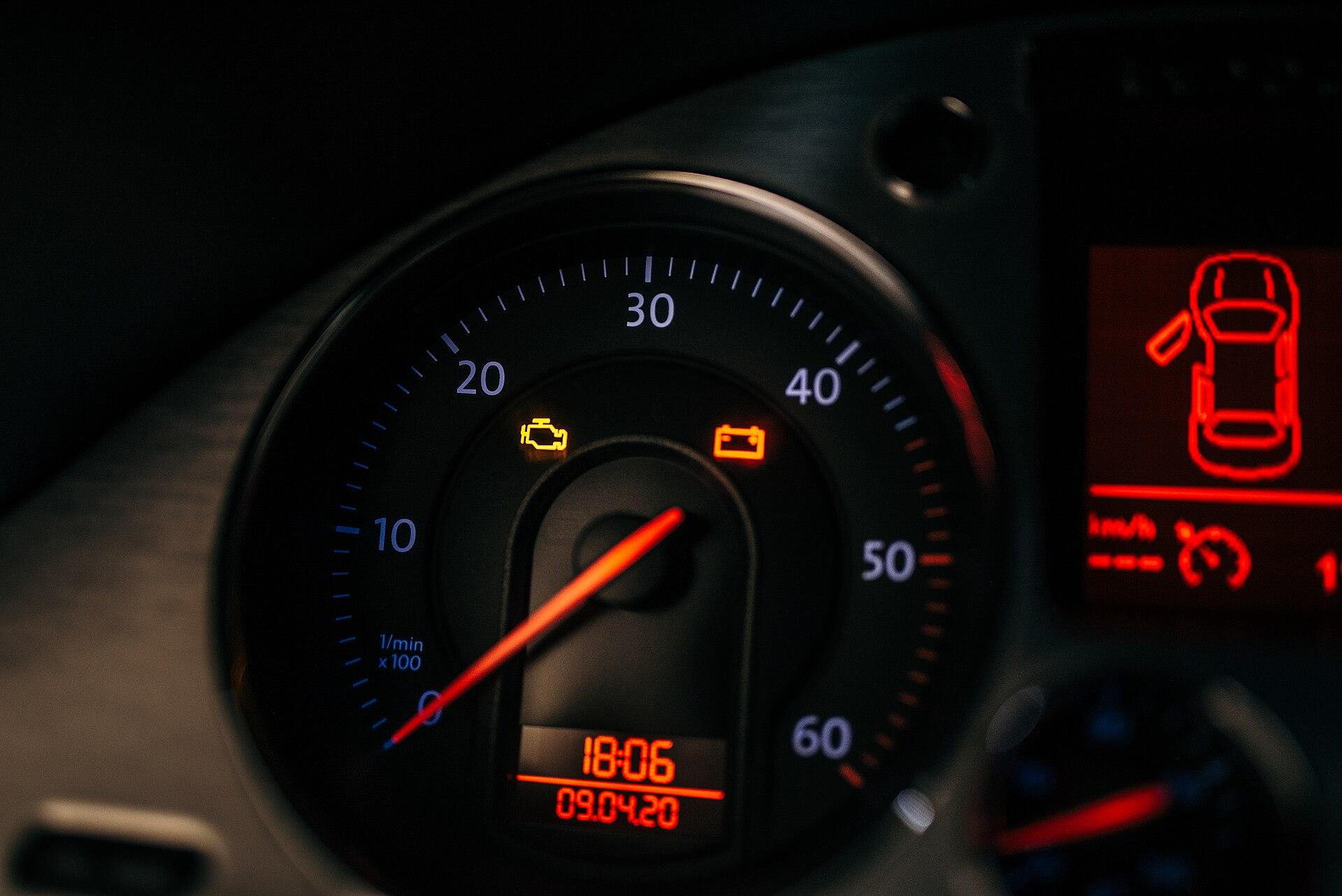
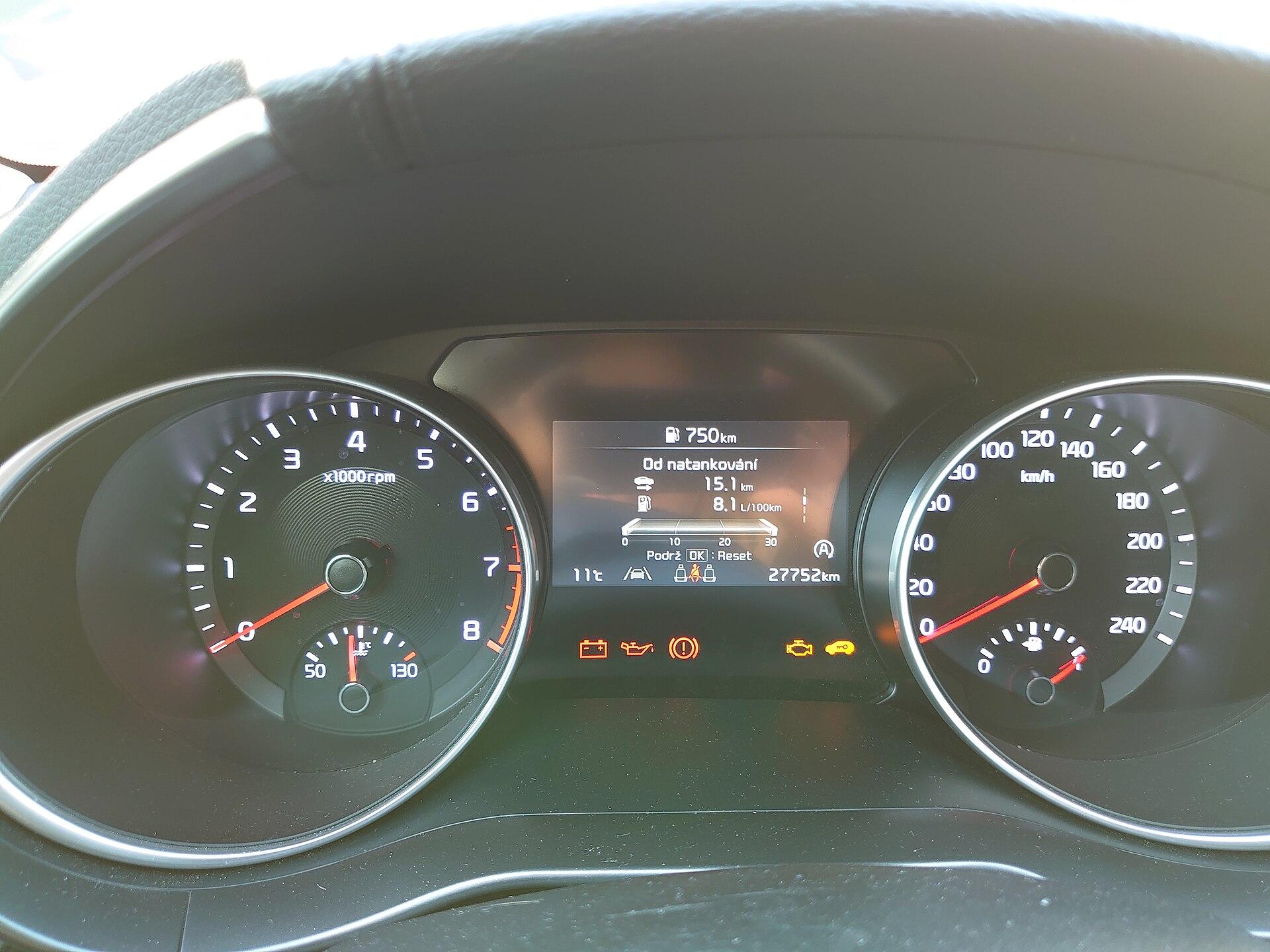
Warning colors are the fastest way to judge urgency, but they are a guide, not a rule. Here is what each color generally means and why you should still read the message.
What Warning Colors Generally Indicate
| Color | General meaning | Typical response |
|---|---|---|
| Red | Danger, a serious fault, or a safety system problem | Stop safely as soon as possible and investigate |
| Amber / yellow | Caution: a system has a fault, is limited, or needs service | Drive with care and get it checked soon |
| Green | A system is on and working (e.g. cruise set, lights on) | Information only |
| Blue | High beams on; on some cars, engine is still cold | Information only |
The convention comes from the international standard ISO 2575 (road vehicle symbols) and, in the United States, from FMVSS No. 101, which governs the identification and illumination of controls and tell-tales.
Why Color Alone Is Not Enough
- Flashing changes the meaning. A flashing amber check engine light is more urgent than a steady one.
- Manufacturers differ. The same condition may be amber on one brand and red on another, or shown only as a text message with a neutral icon.
- Text messages carry the action. Words like “Stop safely”, “Service now” or “Unavailable” tell you more than the color.
- Combinations matter. An amber ABS light together with a red brake light is more serious than either alone.
Examples of Red Alerts
- Oil pressure (oil can): stop the engine as soon as it is safe.
- Engine coolant temperature (thermometer in liquid): overheating; pull over and let it cool.
- Brake system (“BRAKE” or circle with !): low fluid or a hydraulic problem, unless the parking brake is on.
- Charging system (battery symbol): the alternator may not be charging.
- Airbag / SRS: shown in red on many cars; airbags may not deploy.
- Text examples: Braking Power Low.
Examples of Yellow Alerts
- Check engine: an emissions or engine-management fault has been stored.
- Tire pressure (TPMS): one or more tires is significantly under-inflated.
- ABS: anti-lock function is off; normal braking remains.
- Stability / traction control: the system is off or has a fault.
- Text examples: Service AdvanceTrac, Pre-Collision System Malfunction, Check AWD.
What to Do Next
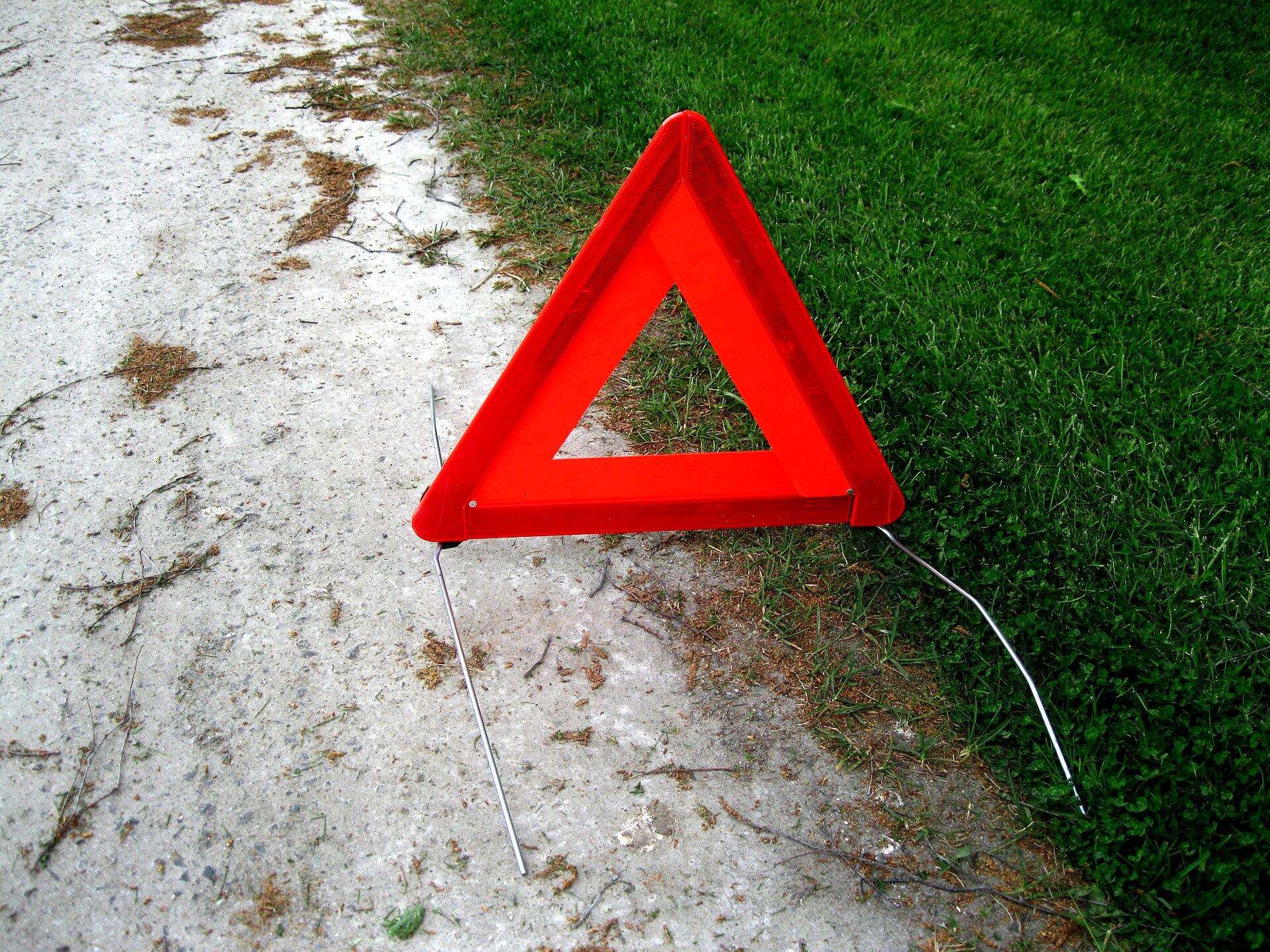
- Red, or any change in how the car drives: find a safe place and stop. Turn on hazard lights.
- Read the exact text and look it up in your owner's manual or on this site.
- Amber: keep driving only if the car behaves normally and the manual allows it, then book service.
- If unsure, call your manufacturer's roadside assistance rather than guessing.
More detail: when you should stop driving because of a warning light.
Warning messages in this guide
Service AdvanceTrac
Ford's AdvanceTrac stability and traction control has detected a condition that needs service, and the system may be switched off. Normal brakes and steering still work, but you lose skid protection, so drive gently, especially on wet or icy roads, and have a dealer check it as soon as possible.
Pre-Collision System Malfunction
Toyota's Pre-Collision System (PCS), which warns of and brakes for obstacles ahead, has detected a fault and is switched off. The car brakes and steers normally, but automatic emergency braking will not help you. Toyota says to have the vehicle inspected by a dealer.
Charging System Service Now
Ford's charging system, mainly the alternator, belt, battery and wiring, needs service. If the alternator isn't charging, the car is running on battery power and can stall within minutes to an hour. Turn off accessories and drive straight to a repair shop, or stop somewhere safe if the battery light is also on.
Braking Power Low
Power brake assist is reduced, so the pedal will need much more force and stopping distances can grow. Toyota's message tells you to stop in a safe place. Press the brake firmly and early, pull over, and have the car inspected or towed rather than driving on.
Frequently asked questions
Can I drive with a yellow warning light on?
Often yes for a short distance, if the car drives normally and the manual does not say to stop. Book service soon. A flashing amber light, or an amber light combined with a red one, is more urgent.
What does a red warning light mean?
Generally a serious problem or a safety system fault. Stop as soon as it is safe and check the manual. Oil pressure, overheating and brake warnings in red can mean damage or danger if you keep driving.
Why are some lights green or blue?
Green and blue are indicators, not warnings. They show that a system is on, such as headlights, cruise control or high beams.
Sources and official resources
- eCFR: FMVSS No. 101 Controls and displays (49 CFR 571.101)ecfr.gov/current/title-49/subtitle-B/chapter-V/part-571/subpart-B/section-571.101
- ISO 2575: Road vehicles — Symbols for controls, indicators and tell-talesiso.org/standard/68409.html
- AAA: How to read dashboard lightsace.aaa.com/automotive/advocacy/how-to-read-dashboard-lights.html
- NHTSA recall lookup by VINnhtsa.gov/recalls