Car Warning Troubleshooting & First Checks
Start with the system the warning is about, do the safe checks a driver can do, and know which warnings mean you should stop rather than troubleshoot.
Find Help by Warning System
Safety and Braking Messages
Brake, ABS, stability-control and airbag messages. These relate directly to how the car stops and protects you, so treat them as a priority even when the car seems to drive normally.
- Service AdvanceTracFord, LincolnService soon
- Braking Power LowToyota, LexusStop safely
- ABS Warning LightToyota, Ford, Honda, NissanService soon
- Brake System Warning LightToyota, Ford, Honda, NissanStop safely
- Airbag (SRS) Warning LightToyota, Ford, Honda, NissanService soon
- Traction / Stability Control LightToyota, Ford, Honda, NissanService soon
Driver Assistance & Sensor Alerts
Radar, camera and ultrasonic sensor messages for collision warning, adaptive cruise and parking aids. Many are temporary and clear once a sensor is clean or the weather improves, but a persistent message means the feature is not protecting you.
Electrical and Key Warnings
Charging-system, 12-volt battery and smart-key messages. A charging fault can leave you stranded within minutes to hours, while key messages often come down to a weak fob battery.
Engine, Drivetrain & Tire Alerts
Check engine, oil pressure, temperature, AWD and tire-pressure warnings. Some of these (oil pressure, overheating, a flashing check engine light) call for stopping the engine quickly to prevent serious damage.
- Check AWDFord, LincolnService soon
- Check Engine LightToyota, Ford, Honda, NissanService soon
- Low Oil Pressure WarningToyota, Ford, Honda, NissanStop safely
- Engine Overheating / High Coolant TemperatureToyota, Ford, Honda, NissanStop safely
- Low Tire Pressure Warning (TPMS)Toyota, Ford, Honda, NissanCheck first
Checks You Can Do Safely
Only with the car parked in a safe place, in Park with the parking brake on. None of these replace a diagnostic scan.
Restart the car once, parked
Park somewhere safe, switch off, wait a minute and restart. Many temporary self-test and sensor messages clear on a restart. If it returns straight away, it is not a passing condition.
Clean the sensors and camera
Wipe snow, ice, mud, bugs and road salt from the grille emblem, bumper sensors and the windshield area in front of the camera. Remove plate frames or accessories that may block them.
Check the 12-volt battery basics
Look for loose or corroded terminals and note whether the car cranks slowly. Low voltage causes many unrelated-looking messages at once.
Check fluids with the engine off
On level ground with the engine cool, check engine oil on the dipstick and the brake-fluid and coolant reservoir levels against the marks. Never open a hot radiator cap.
Check tire pressures
Use a gauge on cold tires and compare with the placard on the driver's door jamb, not the number on the tire sidewall. Uneven pressure can also upset AWD and stability systems.
Replace the key fob battery
If the car struggles to detect the key, try the spare fob or the backup start method in the manual, then replace the coin-cell battery.
Warnings That Require Prompt Attention
Do not try to troubleshoot these on the roadside. Stop safely or get the car checked straight away.
| Warning | Why it is urgent |
|---|---|
| Red oil pressure light | Stop the engine as soon as it is safe. Running without oil pressure can destroy the engine within minutes. |
| Engine overheating / high coolant temperature | Pull over, switch off and let it cool. Do not open the radiator cap while hot. |
| Red brake warning or Braking Power Low | Brake assist or hydraulic pressure may be reduced. Stop safely and do not continue until checked. |
| Flashing check engine light | A severe misfire can overheat the catalytic converter. Reduce load and get it checked right away. |
| Charging system / battery light while driving | The car is running on stored battery power and may shut down. Head for safety or service without delay. |
| Airbag (SRS) warning | Airbags may not deploy in a crash. The car drives normally, but book an inspection promptly. |
Official Manuals and Recall Information
Two free lookups worth doing for any persistent warning: the manual for your exact model year, and an open-recall check by VIN.
- NHTSA recall lookup by VINnhtsa.gov/recalls
- Toyota owner's manualstoyota.com/owners/warranty-owners-manuals
- Ford owner manualsford.com/support/owner-manuals
- Honda owners (manuals & recalls)mygarage.honda.com
- Nissan owner's manuals & guidesnissanusa.com/owners.html
- NHTSA: report a vehicle safety problemnhtsa.gov/report-a-safety-problem
Guides: find your manual · check recalls by VIN
Popular Troubleshooting Guides
Safety & Urgency
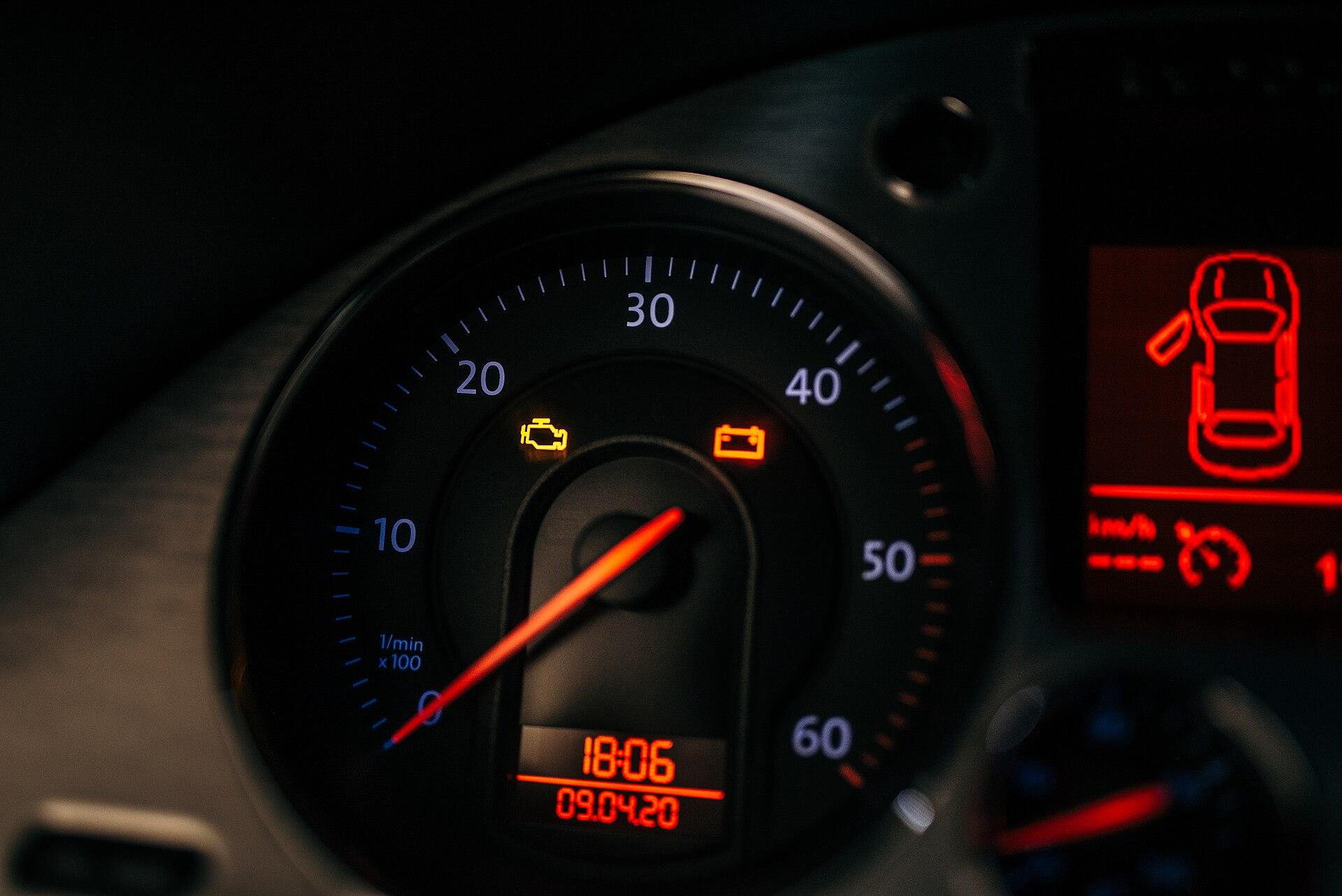
Red vs Yellow Dashboard Warning Lights
What red, amber/yellow, green and blue indicators generally mean under international standards, why color alone is not enough, and what to do next.
5 min read
Understanding Warnings
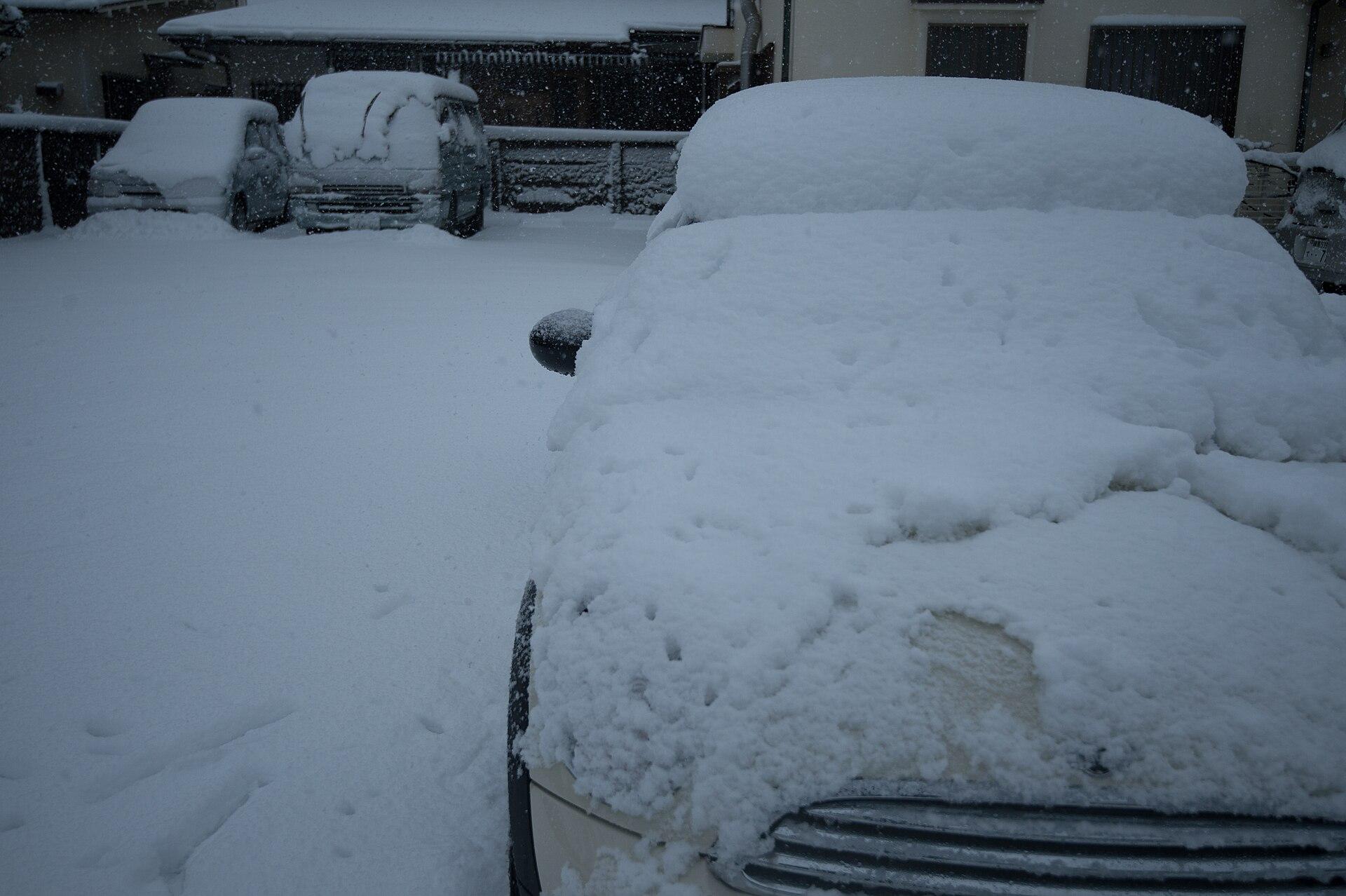
Temporary vs Persistent Car Warning Messages
Why some messages say a feature is temporarily unavailable, which weather and road conditions trigger them, and the signs that a warning needs a diagnostic check.
5 min read
Manuals & Recalls
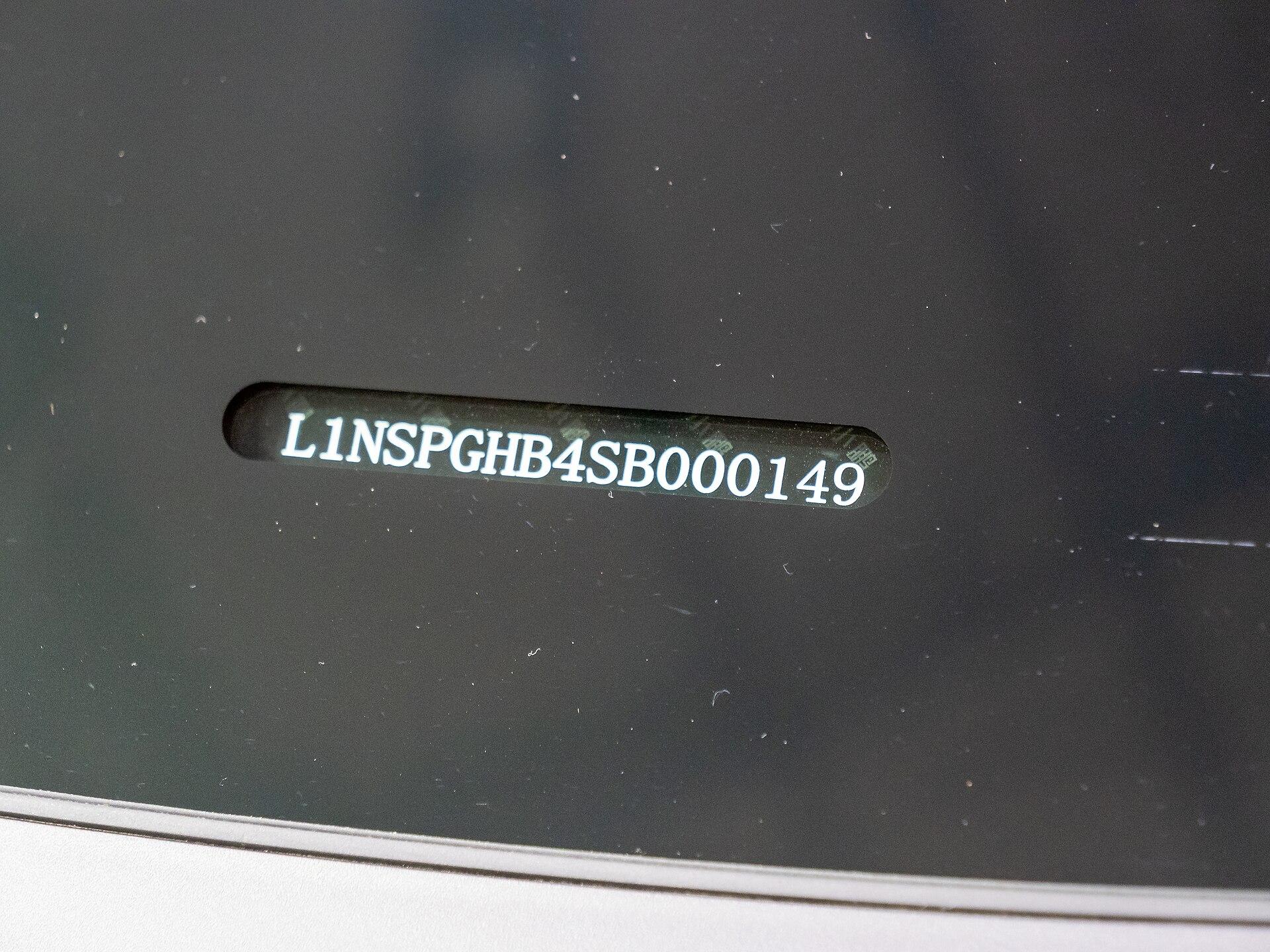
How to Check Vehicle Recalls Using Your VIN
Find your 17-character VIN, look it up on NHTSA's free recall tool, understand what an open recall means and why a warning message is not proof of a recall.
5 min read

Sensors & Driver Assistance
Car Sensor Blocked Warning: Common Conditions & Checks
Which radar, camera and ultrasonic sensors can be blocked, the weather and dirt conditions that cause it, safe exterior checks, and what to do if the warning stays.
6 min read
Battery & Electrical
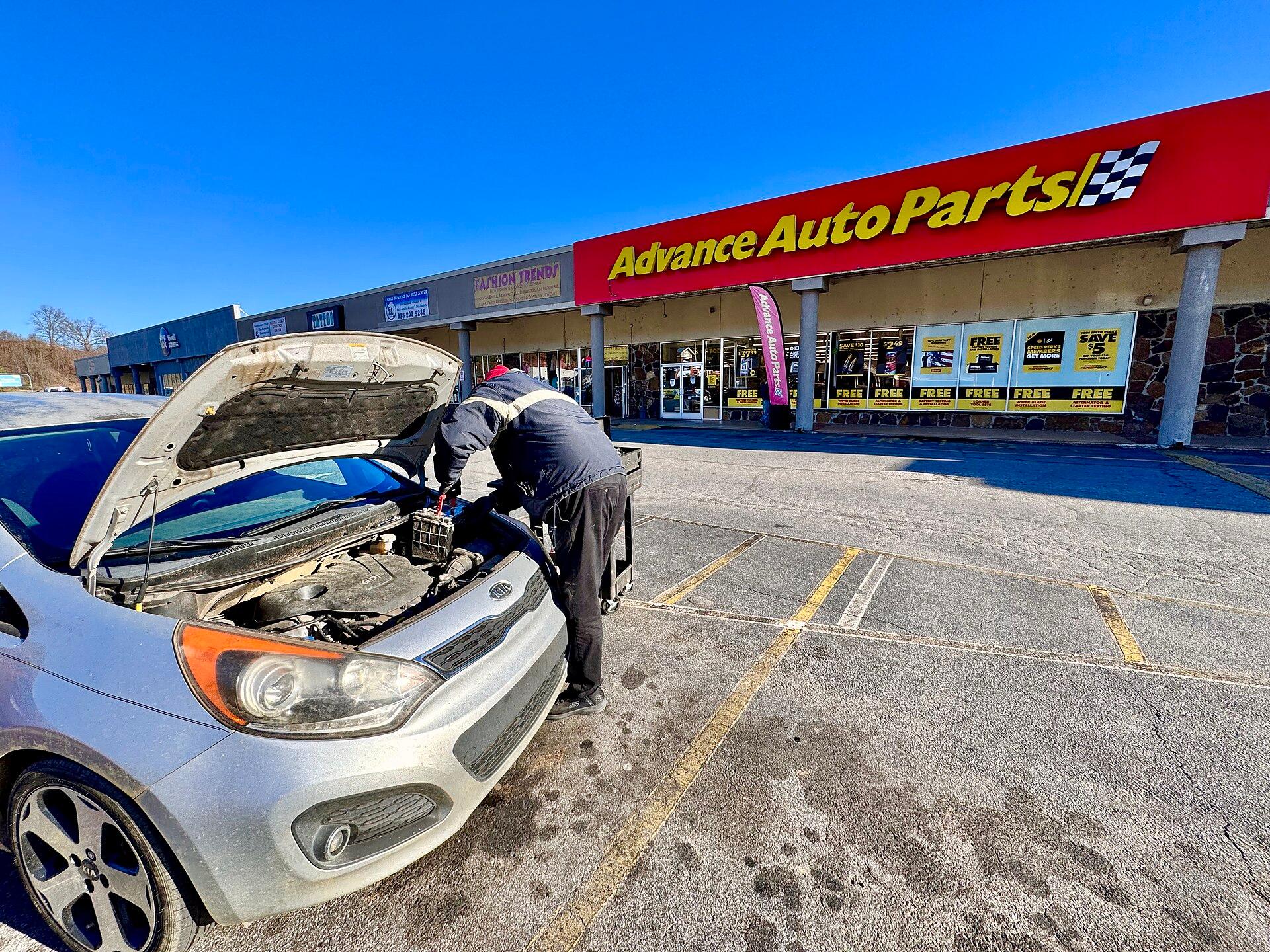
Warning Messages After Car Battery Replacement
Why stability, steering, window and tire-pressure messages can appear after a 12-volt battery change, what you can check safely, and when you need a scan tool.
6 min read
Safety & Urgency
When Should You Stop Driving Because of a Warning Light?
The warnings that can mean immediate danger or engine damage, how to bring the car to a safe stop, what not to reset or ignore, and when to call roadside assistance.
6 min read