Low Tire Pressure Light: Steady vs Flashing
Steady: at least one tire is significantly under-inflated. Check all four with a gauge and inflate to the pressure on the driver's door-jamb placard. Flashing for about a minute at start-up, then staying on: the tire pressure monitoring system itself has a fault and needs checking.
Seen on: Toyota, Ford, Honda, Nissan · Urgency: Check first
What Does “Low Tire Pressure Warning (TPMS)” Mean?
The horseshoe-shaped symbol with an exclamation mark is the tire pressure monitoring system (TPMS) warning, required on U.S. passenger vehicles under FMVSS No. 138.
Under that standard, the same lamp also signals a system malfunction by flashing for a period at start-up and then staying on, and repeating that at every start until fixed. Toyota manuals describe it blinking for about one minute and then staying on.
Which Vehicles Show This Message?
| Make | Models, years and system name |
|---|---|
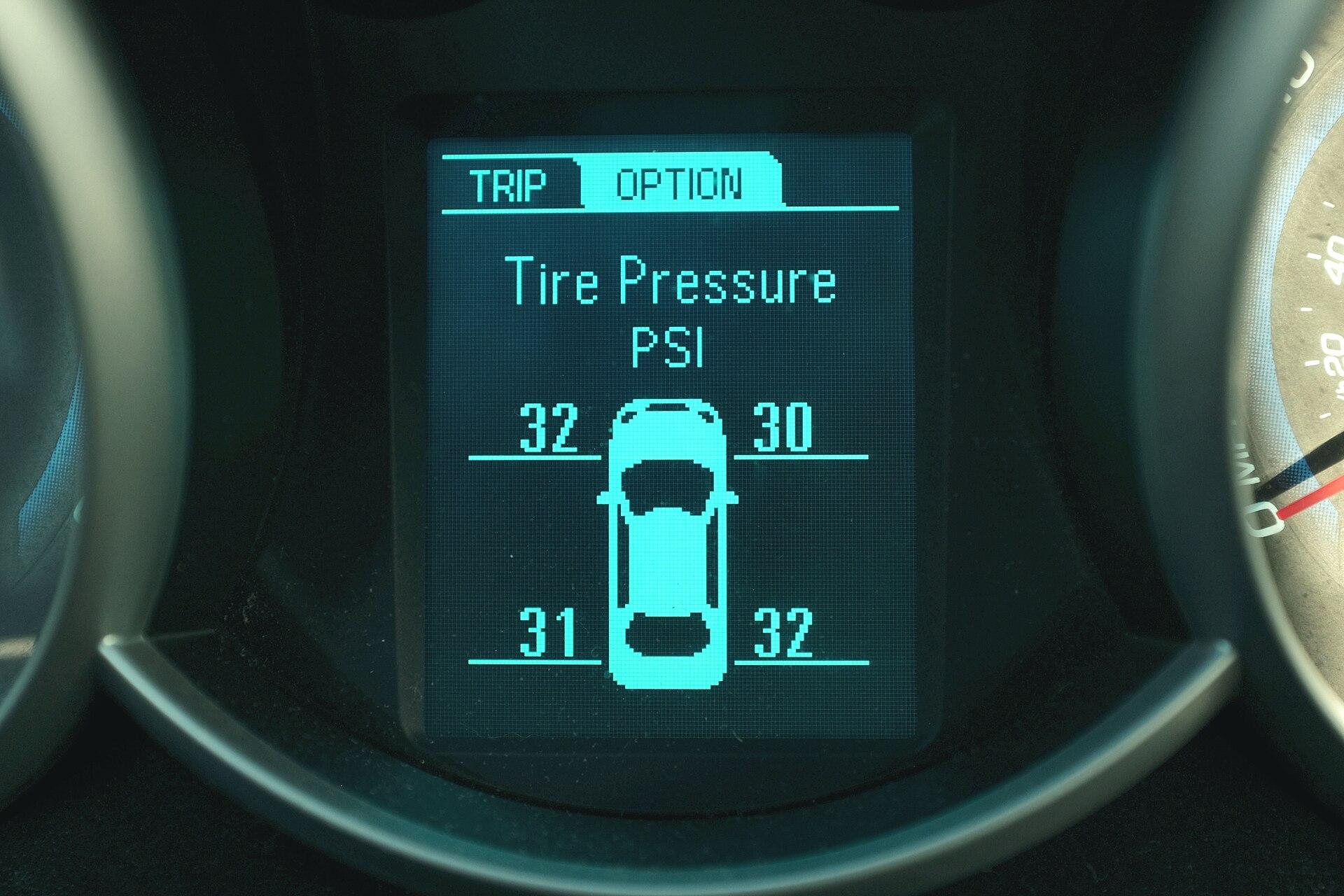
| Toyota | TPMS warning light; some models show individual tire pressures. |
| Ford | TPMS light and tire pressure messages. |
| Honda | Low tire pressure/TPMS indicator; many Hondas use indirect TPMS that must be calibrated after inflation. |
| Nissan | Low tire pressure light; Easy Fill Tire Alert on many models honks when the correct pressure is reached. |
Possible Causes and Conditions
Cold weather
Tire pressure drops as temperature falls, so the light often appears on the first cold morning.
Puncture or slow leak
A nail, damaged valve or leaking bead.
Sensor fault (flashing)
A dead sensor battery or a sensor not registered after a tire or wheel change.
Not reset
Some systems need a reset or calibration after inflating or rotating tires.
What Should You Do?
- If a tire looks flat or the car pulls, stop safely and fit the spare or call for help.
- Otherwise drive gently to an air pump. Check all four tires cold with a gauge.
- Inflate to the placard pressure on the driver's door jamb, not the maximum printed on the tire.
- Follow your manual's TPMS reset/calibration procedure if your car has one.
- If the light flashes at start-up, have the sensors checked at a tire shop or dealer.
Related Alerts and Differences
| Message | How it differs |
|---|---|
| TPMS malfunction (flash then steady) | System fault rather than low pressure. |
| Check AWD / AWD Off | Uneven tire pressure or size can also affect AWD systems. |
Official Manuals, Bulletins and Recall Resources
Message wording and the right response can change between model years. Check the warning-message section of the owner's manual for your exact vehicle, and run your VIN through the NHTSA recall lookup (see how to check recalls with your VIN).
- NHTSA: Tires and tire safetynhtsa.gov/vehicle-safety/tires
- Toyota owner's manualstoyota.com/owners/warranty-owners-manuals
- Ford owner manuals (by year/model or VIN)ford.com/support/owner-manuals
- Honda owner's manualsowners.honda.com/vehicle-information/manuals
- Nissan manuals & guidesnissanusa.com/owners/ownership/manuals-guides.html
Low Tire Pressure Warning (TPMS): FAQs
Why does the tire light come on on cold mornings?
Cold air lowers tire pressure. Top up to the placard pressure; the light usually goes off after a short drive.
The light flashes then stays on. What does it mean?
That pattern means a TPMS fault, such as a dead sensor battery, rather than low pressure.
Do I need new sensors with new tires?
Not always, but sensors may need re-registration and their batteries eventually wear out.
Last reviewed November 2026. Written from manufacturer owner's manuals and NHTSA data; see our editorial policy.